Dr. Sameer Desai

Pediatric orthopedic surgeon in pune

Knee injury treatment by Knee specilaist Dr. Sameer Desai in Pune

Understanding Typical Knee Injury Types in Children

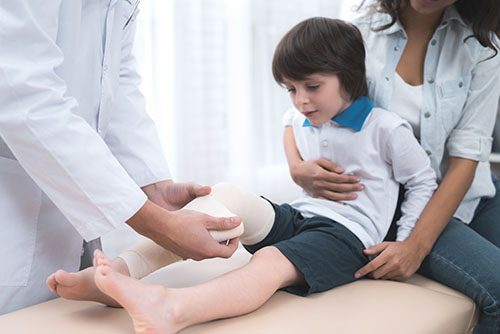
Children are naturally energetic and love to engage in various physical activities like running, jumping, and playing sports. However, this high level of activity can make them more susceptible to knee injuries. As a Pediatric orthopedic surgeon and knee specialist, I frequently treat young patients who have sustained knee injuries. Knowing the types of common knee injuries can help parents recognize symptoms early and seek timely care. Below are five common types of knee injuries in children. 1. Knee Fracture: Direct impact from a fall or accident can result in a knee fracture, especially involving the patella (kneecap). These fractures in youngsters may be caused by contact during sports, falls from a bike, or accidents on the playground. Severe pain, bruising, swelling, and trouble moving the knee are some of the symptoms. Treatment options vary from casting to surgery, depending on the severity, but children usually recover well with the right care. 2. Ligament Injuries Sports like basketball and football sometimes include sudden movements, twists, or direction changes, all of which can result in ligament injury. The medial collateral ligament (MCL) and anterior cruciate ligament (ACL) are the ligaments that sustain injuries the most. Knee pain, swelling, instability, and occasionally a popping feeling are among the symptoms. While some mild ligament injuries may heal with rest and rehabilitation, severe ligament tears may require surgical repair. 3. Dislocation of the Knee When the knee\’s bones are pushed out of position, usually as a result of trauma or high-impact injuries, knee dislocation takes place. This is a dangerous injury that frequently harms the knee\’s ligaments, blood vessels, and nerves. Knee dislocations should be treated right away because waiting can result in long-term problems. A noticeable deformity, extreme pain, and a restriction in knee movement are among the symptoms. Treatment options include surgery, physical therapy, and bracing, depending on the severity of the damage. 4. Meniscus Tears The meniscus is a C-shaped piece of cartilage that acts as a cushion between the thigh and shin bones. In children, meniscus tears are commonly caused by Twisting or rotating actions, especially in sports. Signs include knee pain, swelling, and difficulty moving the knee, particularly when squatting or twisting. Medical treatment can cure some meniscus tears, but surgery may be necessary to repair bigger or more complicated injuries. 5.Tears in the Tendon Falls and rapid motions that put excessive strain on the knee can cause tendon rips, especially in the kneecap or quadriceps tendons. A youngster may suffer from extreme pain, swelling, and an inability to straighten their leg if these tendons are damaged, as they are essential for knee extension. Complete tendon tears typically require surgical repair, although lesser rips can frequently be treated with rest and physical therapy. Conclusion Children\’s knee injuries can range in severity, and full recovery depends on early diagnosis and appropriate treatment. My goal as a pediatric orthopedic surgeon is to make sure kids recover fully and may safely resume their normal activities. Strength training, safety clothing, and appropriate sports methods are essential for preventing injuries. Seeking prompt expert care for your child\’s knee injury can significantly enhance recovery results. For the best care Visit the Pune-based Dr. Sameer Desai Clinic. Making ensuring you\’re happy and receiving the best care possible is our main priority.

Understanding Typical Knee Injury Types in Children Read More »

Proximal Femoral Focal Deficiency treatment

Understanding Proximal Femoral Focal Deficiency: Causes and Diagnosis

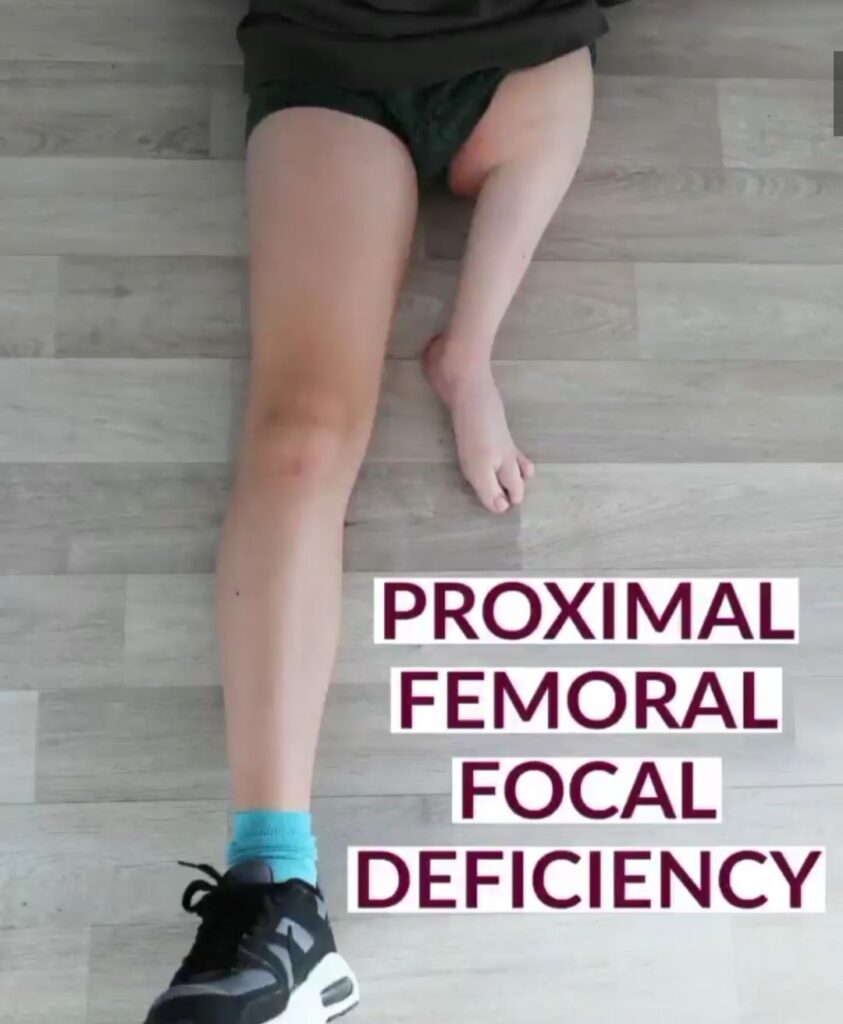
Proximal Femoral Focal Deficiency (PFFD) is a rare congenital condition affecting the femur, the bone in the thigh. Children with PFFD are born with an underdeveloped or deformed femur, which can vary in severity. This condition impacts a child\’s leg length, mobility, and overall development. In this blog, we’ll explore the causes and diagnosis of PFFD to help parents understand this complex condition better. Causes of PFFD The exact cause of PFFD remains unclear, but it’s believed to occur early in pregnancy, typically around the sixth week of fetal development. Various factors could contribute, such as: 1. Genetic Factors: Although PFFD is usually not inherited, in some cases, genetic mutations or disruptions during fetal growth may play a role. 2.Environmental Influences: Exposure to certain toxins, medications, or radiation during pregnancy may interfere with normal bone development in the fetus. 3.Vascular Issues: Reduced blood supply to the developing limb during pregnancy may hinder femur growth, leading to the characteristic deformities of PFFD. While the exact cause is unknown, understanding these possible contributing factors can provide insight into how the condition develops. Diagnosing PFFD Diagnosing PFFD involves a combination of clinical examination and imaging studies. Early detection is crucial for determining the best treatment path and improving long-term outcomes for the child. 1. Physical Examination At birth, doctors will often notice differences in the length and appearance of the legs. Children with PFFD may present with shorter legs, hip or knee deformities, and reduced range of motion in the affected limb. 2. X-Rays and Imaging X-rays are typically the first step in diagnosing PFFD, allowing doctors to assess the severity of the femur abnormality. In some cases, advanced imaging like MRI or CT scans may be needed to examine the hip joint and other related structures. 3. Classification of PFFD PFFD is categorized based on the severity of the femoral deficiency. These classifications help in determining the most appropriate treatment plan: Type A: Mild shortening with a nearly normal hip joint. Type B: Shortened femur with some hip joint deformities. Type C: Severe shortening with significant deformity of the hip and thigh. Type D: Complete absence of the femur. This classification aids in developing a personalized treatment plan tailored to the specific needs of the child. Why Early Diagnosis Matters: Early diagnosis of PFFD is crucial for effective management, enabling timely treatments like limb lengthening, corrective surgery, or prosthetics, which improve mobility, quality of life, and long-term outcomes. Conclusion Proximal Femoral Focal Deficiency is a complex condition, but with proper diagnosis and early treatment, children can lead fulfilling and active lives. Understanding the causes and diagnostic process is the first step toward addressing the condition effectively. Dr. Sameer Desai, a leading pediatric orthopedic surgeon in Pune, is dedicated to helping families navigate the journey of PFFD treatment, ensuring the best possible care for your child. If you suspect your child may have PFFD or want expert advice on pediatric orthopedic conditions, Dr. Desai is here to help.

Understanding Proximal Femoral Focal Deficiency: Causes and Diagnosis Read More »

Slipped Capital Femoral Epiphysis treatment

Understanding the Management of Slipped Capital Femoral Epiphysis (SCFE)

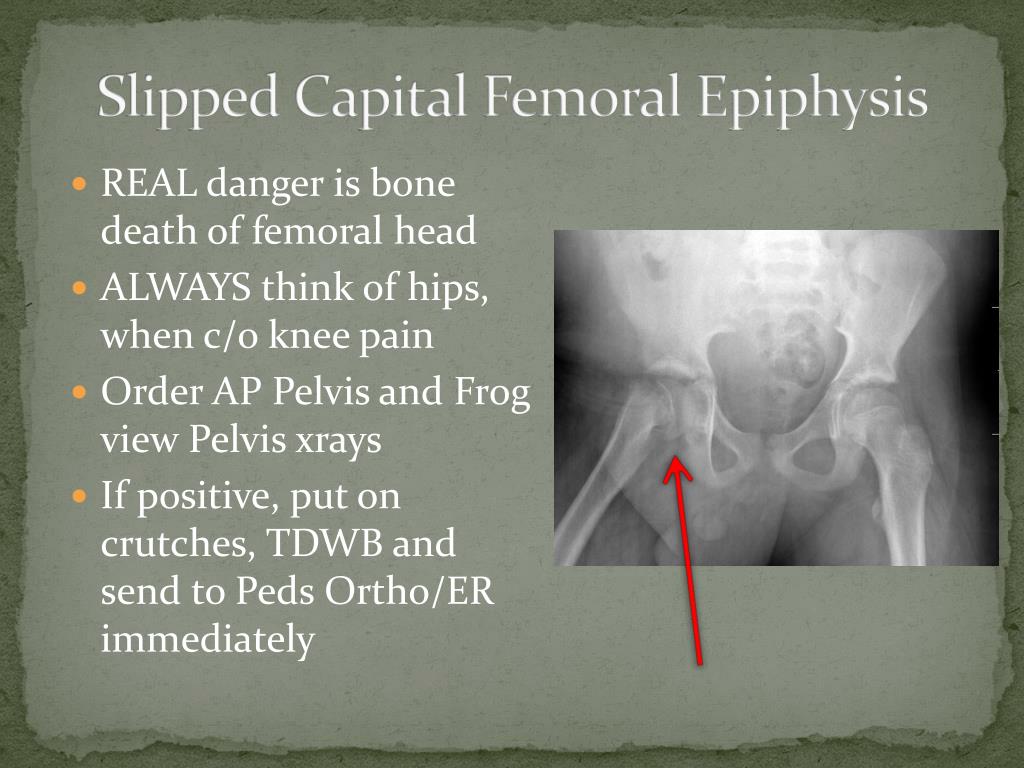
Slipped Capital Femoral Epiphysis (SCFE) is a condition that affects the hip in adolescents, often during periods of rapid growth. The femoral head (ball of the hip joint) slips off the neck of the femur, causing pain, stiffness, and difficulty in walking. Early diagnosis and treatment are crucial to prevent long-term hip damage. Symptoms of SCFE: Common signs of SCFE include: Pain in the hip, groin, thigh, or knee. A limp or difficulty walking. Stiffness or decreased range of motion in the hip. If your child exhibits any of these symptoms, it\’s essential to seek immediate medical attention. Causes of SCFE: SCFE typically occurs in growing children, particularly those with certain risk factors such as obesity, hormone imbalances, or a family history of hip problems. Treatment Options: Dr. Sameer Desai, a renowned pediatric orthopedic surgeon in Pune, specializes in diagnosing and treating SCFE. His approach emphasizes early detection and intervention to prevent complications like arthritis or long-term hip deformity. Surgical Stabilization: The most common treatment for SCFE is surgery. Dr. Desai uses minimally invasive techniques to stabilize the femoral head, ensuring it doesn’t slip further. Post-Surgical Rehabilitation: After surgery, Dr. Desai emphasizes the importance of rehabilitation, which includes physical therapy to restore strength and mobility. Why Choose Dr. Sameer Desai? Dr. Desai’s expertise in pediatric orthopedic care in Pune, coupled with his compassionate approach, ensures the best outcomes for children with SCFE. His practice in Pune is equipped with advanced facilities, ensuring timely diagnosis and effective treatment. Early treatment of SCFE is vital to ensure your child maintains a healthy, active lifestyle. Consult Dr. Sameer Desai for expert advice and personalized care in Pune. Conclusion: A swift action is necessary to prevent long-term problems from Slipped Capital Femoral Epiphysis (SCFE), a dangerous disorder. Children with SCFE undergo individualized therapies by Dr. Sameer Desai in Pune, under his skilled care, with an emphasis on hip stabilization and mobility restoration. Dr. Desai guarantees patients a safe recovery and a return to an active lifestyle with his specialist approach and dedication to pediatric orthopedic care. Dr. Desai is a reputable option for SCFE treatment in Pune since early diagnosis and timely treatment are essential to getting the best results.

Understanding the Management of Slipped Capital Femoral Epiphysis (SCFE) Read More »

Cubitus Varus treatment in Pune

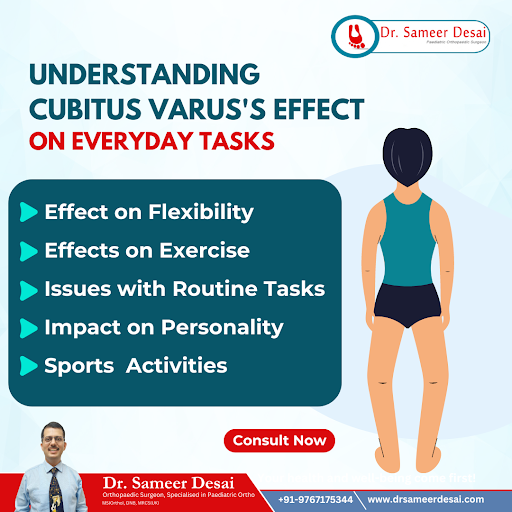
Understanding Cubitus Varus\’s Effect on Everyday Tasks

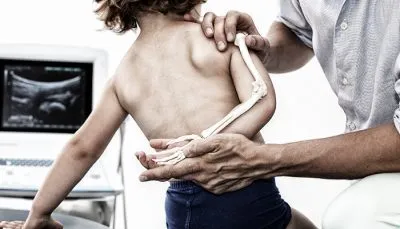
The ailment known as \”gunstock deformity,\” or cubitus varus, causes the elbow to slant inward, which throws off the alignment of the arms. It usually happens when an elbow fracture that was previously healed incorrectly occurs. This abnormality may affect daily activities and impede elbow movement. Adaptive methods, physical therapy, and even surgery are available as treatment options. Effect on Motion Range: Cubitus varus, or \”gunstock deformity,\” limits elbow joint motion, affecting the ability to fully extend or flex the arm, and impacts activities requiring a wide range of arm movements to your child. Impacts on Physical Exercise: Activities such as swimming and running are difficult for those with cubitus varus. Routine modifications are frequently required to control discomfort and prevent strain. Problems with Everyday Tasks: Cubitus varus makes it difficult to lift, reach, or brush your teeth. Which can cause discomfort and inefficiency. Psychological and Emotional Effects: Cubitus varus can cause frustration and self-consciousness, leading to emotional stress and reduced self-esteem. Addressing these concerns alongside physical treatment is important. Social and Recreational Activities: Participation in social and recreational activities might be affected, especially those kids or person who involving sports or interactive games Adaptation and Management: Managing cubitus varus involves physical therapy, adaptive techniques, and possibly surgery. Regular exercises and a personalized treatment plan with a healthcare provider can help to your child. Seeking Professional Guidance to your Child: Consulting with a specialist like Dr. Sameer Desai is crucial for managing cubitus varus. A professional assessment can provide accurate diagnosis and treatment options tailored to individual needs, helping to alleviate symptoms and improve quality life of your child . Conlusion: Dr. Sameer Desai provides the greatest therapy and care for cubitus varus, guaranteeing a comprehensive approach to treatment and maintenance, whether you\’re looking for the best care for your child or yourself. He assists people in resolving physical and mental issues so they can go about their daily lives more confidently and easily.  

Understanding Cubitus Varus\’s Effect on Everyday Tasks Read More »