Dr. Sameer Desai

Uncategorized

Bow Legs in Children: Recognizing Early Signs and Seeking the Right Care

Recognizing Bow Legs in Children: Early Signs and Seeking the Right Care

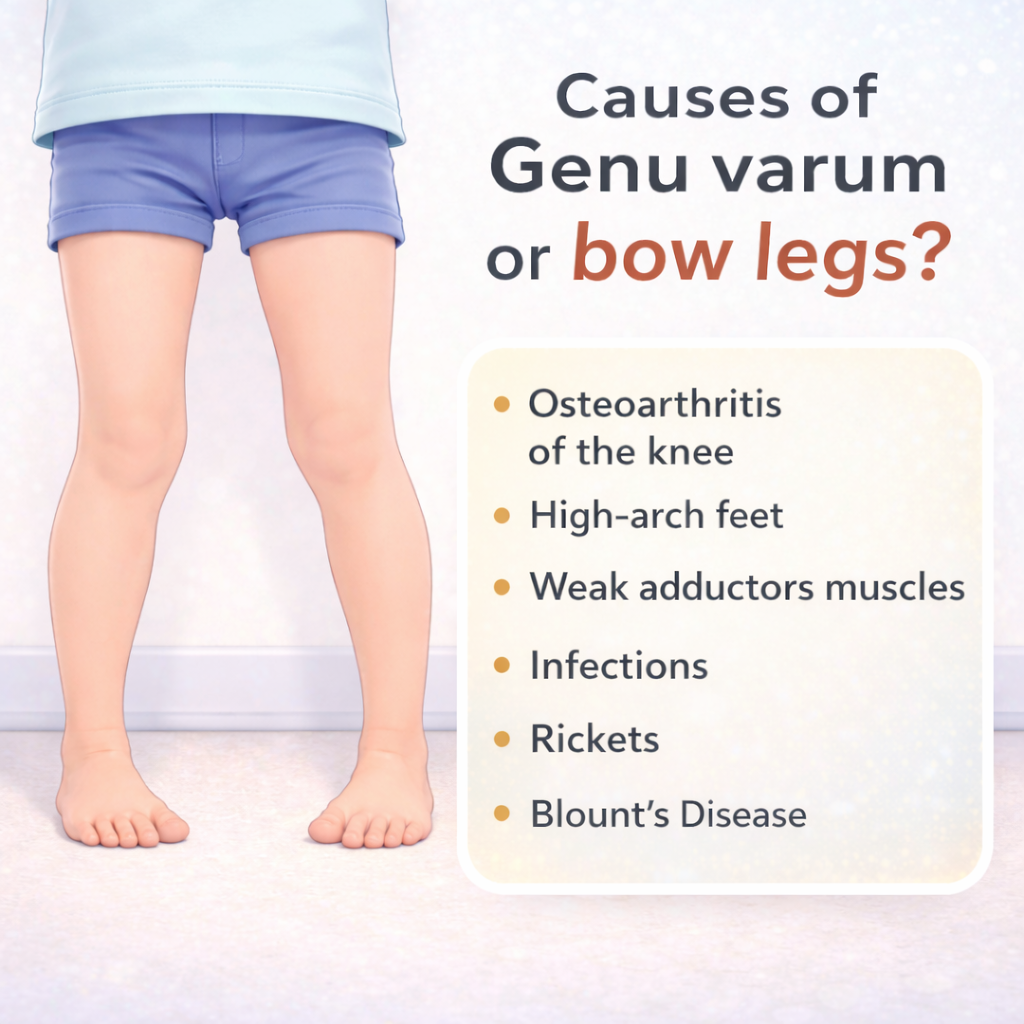
While it\’s common to see children with legs bowed outward like a bow (genu varum), understanding when it might be a concern and taking action early can significantly impact their health. What are Bow Legs? Bow legs occur when a child\’s legs curve outward at the knees with their ankles apart when standing with feet together. This is quite common in infants and toddlers as their bodies adjust to standing and walking. Early Signs to Watch For: Visual Observation: Look for a noticeable outward curve at the knees when your child stands. Walking Patterns: Pay attention to any difficulty walking straight or complaints of leg or knee pain. Uneven Shoe Wear: Check for uneven wear patterns on shoes, a potential sign of uneven pressure distribution due to bow legs. When to Seek Care: While often a natural part of development, certain situations warrant medical attention: Age: By age 3, most children outgrow bow legs. If it persists or worsens beyond this age, consult a healthcare professional. Pain or Discomfort: Persistent pain or discomfort in the legs or knees requires evaluation by a pediatrician or orthopedic specialist. Visible Deformity: Severe bowing or other visible deformities like asymmetrical growth or joint abnormalities necessitate medical attention. Seeking Proper Care: Consult a Pediatrician: Start with a consultation with your child\’s pediatrician to assess the severity and determine if further evaluation is needed. Orthopedic Evaluation: If necessary, a referral to an orthopedic specialist with experience in pediatric orthopedics may be recommended. They\’ll conduct a thorough examination, including X-rays, to assess the extent of bowing and determine the appropriate course of action. Treatment Options: Treatment depends on the severity. In mild cases, monitoring might be sufficient. For more pronounced or discomforting cases, options like bracing, physical therapy, or, rarely, surgery, may be considered. Conclusion: While bow legs are often normal, be vigilant and recognize when further evaluation and care are needed. By identifying early signs and seeking proper medical attention, you can ensure your child receives the necessary support for healthy leg development and overall well-being. Remember, early intervention can lead to better outcomes and a smoother journey towards straighter, healthier legs for your child.

Recognizing Bow Legs in Children: Early Signs and Seeking the Right Care Read More »

The Role of Exercise in Correcting Bow Legs: Effective Workouts and Techniques

Strengthening Your Stride: How Targeted Exercise Can Support Leg Alignment

Navigating Bow Legs: For many, bow legs, where knees stand apart while ankles touch, can lead to discomfort and self-consciousness. While medical intervention might be necessary in some cases, incorporating targeted exercises can significantly impact leg alignment and mobility. Let\’s explore how specific movements can be used as tools for support. Understanding the Why: Before diving into exercises, understanding the root cause is crucial. Bow legs often arise from a combination of genetics, bone structure, and medical conditions like rickets or arthritis. Affecting individuals of all ages, the condition can lead to discomfort, instability, and even joint pain if left unaddressed. The Power of Movement: While exercise alone may not entirely correct severe cases, it can play a crucial role in strengthening muscles, improving flexibility, and promoting better alignment. By targeting specific muscle groups around the hips, thighs, and knees, you can create a foundation for improved leg positioning and address imbalances. Exercises for a Balanced Stride: Stretch it Out: Prioritize stretches targeting the inner and outer thigh muscles (adductors and abductors). Butterfly stretches, seated straddle stretches, and standing quad stretches can all enhance flexibility and reduce tension. Build Strength: Focus on strengthening muscles that support proper leg alignment. Squats, lunges, leg presses, and calf raises can fortify your quadriceps, hamstrings, calves, and glutes. Begin with bodyweight exercises and gradually increase resistance as you progress. Find Your Balance: Integrate balance exercises to engage your core and promote good posture. Try single-leg stands with proper alignment or yoga poses like tree pose or warrior III. Move with Low Impact: Engage in low-impact cardio like walking, swimming, or cycling to improve circulation, endurance, and overall cardiovascular health. These activities can also help maintain a healthy weight, crucial for reducing stress on your joints. Seek Guidance: Consider consulting a physical therapist or certified personal trainer for a personalized exercise program tailored to your needs. They can guide you on proper form, technique, and progression for safe and effective workouts. Consistency is Key: Dedication and consistency are crucial for reaping the benefits of exercise for leg alignment. Aim to incorporate various exercises into your routine and commit to regular practice. While results may not be immediate, staying motivated and patient can lead to significant improvements over time. A Final Note: Remember, exercise can be a valuable tool in managing bow legs but should be considered part of a comprehensive approach. Listen to your body, address any discomfort, and adjust your routine accordingly. Each journey towards better health and alignment is unique, so celebrate your progress and remain committed to your goals. With dedication and perseverance, you can strengthen your stride and move towards a more balanced and confident future.

Strengthening Your Stride: How Targeted Exercise Can Support Leg Alignment Read More »

Bow Legs treatment

Understanding Bow Legs: Causes, Symptoms, and Treatment Options 

Bow legs, medically known as genu varum, are a common condition where the legs curve outward at the knees, creating a space between them when standing straight. While some degree of bowing is normal in young children, excessive bowing can lead to discomfort, pain, and difficulty walking. This article aims to provide a clear and informative overview of bow legs, covering their causes, symptoms, and treatment options. Causes of Bow Legs: Bone Development: During infancy and childhood, abnormal bone growth can lead to bow legs. In some cases, babies are born with bow legs that naturally straighten as they grow. However, persistent bowing may require intervention. Nutritional Deficiencies: Lack of essential nutrients like vitamin D and calcium can contribute to skeletal deformities like bow legs as these nutrients are crucial for bone development. Genetics: Family history can play a role, increasing the risk if a family member has bow legs or skeletal abnormalities. Medical Conditions: Certain medical conditions like Blount\’s disease, rickets, or skeletal dysplasia can affect bone growth and cause bow legs. Symptoms of Bow Legs: Visible Curvature: The most noticeable symptom is the outward curvature of the legs at the knees, particularly evident when standing or walking. Gait Abnormalities: Individuals with bow legs may walk differently, with their feet turned outward or difficulty walking long distances. Knee or Joint Pain: Bowing can put strain on the knees and joints, causing pain, discomfort, or stiffness, especially after activity or prolonged standing. Reduced Range of Motion: Severe cases can restrict movement in the knees and hips, impacting certain activities. Treatment Options for Bow Legs: Observation: For mild cases in young children, regular monitoring by a healthcare professional is crucial to track progress and identify any concerns. Often, these cases resolve naturally with growth. Bracing: Persistent bow legs in infants or young children may benefit from braces to guide bone growth and gradually straighten the legs. Physical Therapy: Exercises can strengthen the muscles around the knees, improve alignment and stability, and enhance flexibility and range of motion. Surgery: In severe or persistent cases, surgery may be necessary to correct the bone alignment and restore normal leg function. Addressing Underlying Conditions: If bow legs are caused by underlying medical conditions, treatment should focus on addressing the root cause, such as nutritional supplementation or managing the specific condition. Conclusion: Bow legs are a common condition that can range from mild and self-resolving to more severe and requiring intervention. Early detection, accurate diagnosis, and appropriate treatment are essential for managing bow legs effectively and preventing complications. If you or your child experiences symptoms, consult a healthcare professional for evaluation and personalized treatment recommendations. Remember, with the right approach, individuals with bow legs can lead active and fulfilling lives with improved mobility and comfort. Disclaimer: This information is for general educational purposes only and should not be interpreted as medical advice. Always consult your healthcare professional for personalized diagnosis and treatment recommendations.

Understanding Bow Legs: Causes, Symptoms, and Treatment Options  Read More »

Exercises and Stretches for Knock Knees

Exercises and Stretches for Knock Knees: A Comprehensive Guide

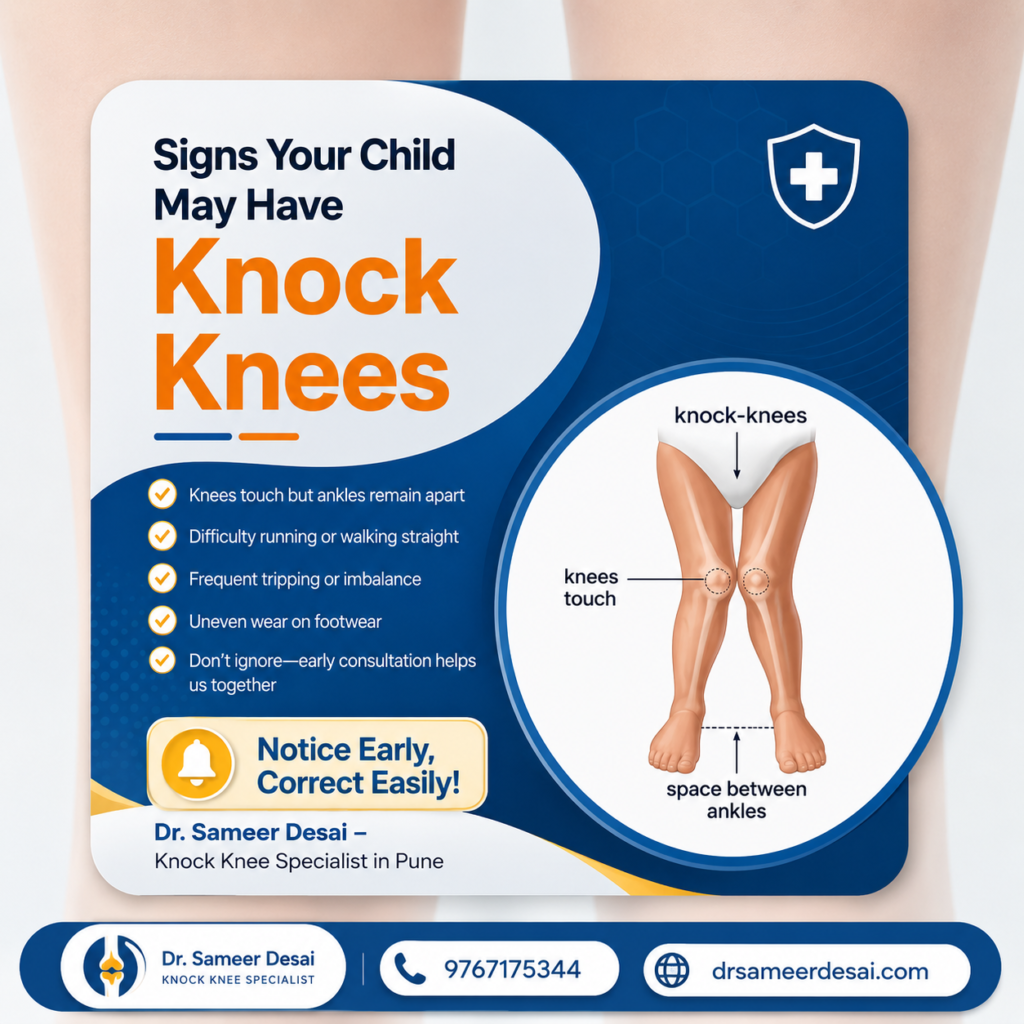
Knock knees, a condition medically known as Genu Valgum, can affect people of all ages, leading to discomfort and potential health issues if left untreated. While severe cases may require medical intervention, there are several exercises and stretches that can help improve the alignment of your legs, reduce discomfort, and promote overall leg strength. In this comprehensive guide, we will explore these exercises and stretches to help you address knock knees and enhance your quality of life. Understanding Knock Knees Knock knees is a condition where the knees touch each other while the ankles remain apart when standing with the feet together. This misalignment can result from various factors, such as genetics, muscle imbalances, or underlying medical conditions. In some cases, knock knees may resolve on their own during childhood, but for others, it may persist into adulthood. It\’s important to note that mild cases of knock knees might not cause significant issues, but more severe cases can lead to problems like knee pain, instability, and abnormal gait patterns. That\’s why addressing this condition through targeted exercises and stretches can be beneficial. Exercise and Stretching Regimen for Knock Knees Before beginning any exercise or stretching routine, it\’s advisable to consult with a healthcare professional or physical therapist, as they can provide tailored advice based on your specific condition and needs. However, here are some general exercises and stretches that can help improve knock knees: Leg Strengthening Exercises: a. Clamshells: Lie on your side with your legs bent at a 90-degree angle. Keeping your feet together, lift your top knee as far as you can without moving your pelvis. Lower your knee back down and repeat for 2-3 sets of 10-15 reps on each side. b. Straight Leg Raises: Lie on your back with one leg straight and the other bent. Raise your straight leg to the height of the bent leg and hold for a few seconds. Lower it back down and repeat for 2-3 sets of 10-15 reps on each side. Stretching Exercises: a. Hip Adductor Stretch: Sit on the floor with your legs straight and spread apart. Gently push your knees towards the ground while keeping your back straight. Hold the stretch for 20-30 seconds and repeat 2-3 times. b. IT Band Stretch: Stand with your feet together. Cross one leg over the other and lean to the side to stretch the outer thigh. Hold the stretch for 20-30 seconds on each side and repeat 2-3 times. Calf Stretches: a. Gastrocnemius Stretch: Stand facing a wall with one foot forward and one foot back. Lean against the wall with your back leg straight and heel on the ground. Hold for 20-30 seconds and switch legs. b. Soleus Stretch: Same as the gastrocnemius stretch, but bend your back knee slightly. Hold for 20-30 seconds and switch legs. Conclusion Exercising and stretching can be effective ways to address knock knees, but it\’s essential to be patient and consistent with your routine. Remember that results may take time, and you should always listen to your body, avoiding any exercise that causes pain or discomfort. For severe cases of knock knees or if exercises alone do not yield significant improvement, consulting a medical professional for further evaluation and guidance is recommended. In some instances, orthotic devices or surgical intervention may be necessary. Incorporating a well-structured exercise and stretching routine into your daily life can not only help improve the alignment of your legs but also enhance overall leg strength, stability, and flexibility. With persistence and the guidance of a healthcare professional, you can take positive steps toward addressing knock knees and enjoying a better quality of life.

Exercises and Stretches for Knock Knees: A Comprehensive Guide Read More »

Treating Knock Knees: Surgical and Non-Surgical Options

Treating Knock Knees: Surgical and Non-Surgical Options

Hello, I\’m Dr. Sameer Desai, a practicing orthopedic surgeon in Pune, India. Today, I want to shed light on a common orthopedic condition known as \”knock knees\” and discuss the various treatment options available for this condition. Knock knees, medically referred to as genu valgum, is a condition where the knees angle inwards, causing the feet to be spread apart when a person stands with their feet together. While it is not uncommon, it can cause discomfort and may require treatment, depending on its severity. Understanding Knock Knees: Knock knees can occur for various reasons, such as genetics, poor posture, or underlying medical conditions. In some cases, it\’s a normal part of a child\’s development and may resolve on its own as they grow. However, for those with more severe or persistent knock knees, treatment may be necessary to alleviate pain and improve quality of life. Non-Surgical Treatment Options: Physical Therapy: Physical therapy can be an effective non-surgical treatment option for mild to moderate knock knees. Therapists can design exercises and stretches to strengthen the muscles around the knee joint, improving stability and alignment. Orthotics: Custom-made orthotic insoles can help provide additional support to the feet and improve alignment. They are often recommended to individuals with knock knees to reduce stress on the knees and improve gait. Bracing: In some cases, bracing may be recommended, especially for children. These knee braces or orthopedic devices can help to guide the knees into a more normal alignment as the child grows. Weight Management: Maintaining a healthy weight is essential for individuals with knock knees. Excess body weight can exacerbate the condition and put added stress on the knees. A combination of weight management and exercise can be beneficial. Surgical Treatment Options: If non-surgical methods fail to correct the issue or the condition is severe, surgical intervention may be necessary. There are various surgical options, including: Osteotomy: This procedure involves cutting and repositioning the bones around the knee to improve alignment. It is often performed for more severe knock knees in adults. Hemiepiphysiodesis: Hemiepiphysiodesis is a surgical technique used in children with growing plates (physes) at the ends of their long bones. It involves partial growth plate arrest to correct angular deformities over time. Total Knee Replacement: In rare cases of severe arthritis associated with knock knees, a total knee replacement may be necessary to relieve pain and improve function. Arthroscopy: Arthroscopic procedures can be used to address certain structural issues within the knee joint, which may be contributing to the knock knee deformity. Post-Surgery Recovery: Recovery from surgery can vary depending on the specific procedure performed. Patients typically require physical therapy and rehabilitation to regain strength and mobility. Full recovery can take several months, but the goal is to achieve improved knee alignment and function. Conclusion: Treating knock knees involves a range of options, from non-surgical interventions to surgical procedures, all of which should be carefully considered in consultation with an orthopedic specialist. The choice of treatment depends on the individual\’s age, the severity of the condition, and their overall health. If you or your child is struggling with knock knees, it\’s essential to consult with a qualified orthopedic surgeon to determine the best course of action. The goal is to alleviate pain, improve function, and enhance the quality of life for those affected by this condition.

Treating Knock Knees: Surgical and Non-Surgical Options Read More »

Understanding Knock Knees: Causes and Risk Factors

Understanding Knock Knees: Causes and Risk Factors By Dr. Sameer Desai, Pune

Knock knees, medically known as Genu Valgum, is a common orthopedic condition that affects people of all ages. As a practicing orthopedic doctor in Pune, I often encounter patients with knock knees seeking guidance and treatment. In this article, I will shed light on the causes and risk factors associated with knock knees to help you better understand this condition. What are Knock Knees? Knock knees is a condition where the knees angle inward and touch each other when the legs are straightened. This leads to a noticeable gap between the ankles while standing with the feet together. While it\’s common in young children, it can also persist into adulthood or develop later in life. Causes of Knock Knees Normal Growth in Children: In many cases, knock knees are a normal part of a child\’s growth and development. It often becomes noticeable between the ages of 2 to 5 and typically corrects itself as the child grows older. By the age of 7, most children have straightened their legs. Bone Development Abnormalities: Some individuals may have structural issues with their bones that can lead to knock knees. Conditions like rickets, a deficiency of vitamin D and calcium, can weaken the bones and cause them to bend. Genetics: Genetic factors can play a role in the development of knock knees. If your parents or close relatives have a history of knock knees, you may be more prone to developing this condition. Obesity: Excess weight can exert additional pressure on the knee joints, potentially leading to knock knees. Maintaining a healthy weight can help prevent or alleviate this condition. Injury or Trauma: A knee injury or trauma, if left untreated, can result in an alignment issue that may lead to knock knees. Risk Factors Several factors can increase the risk of developing knock knees, including: Age: Knock knees are most common in young children as part of normal development. However, they can persist or develop in adulthood, particularly if left untreated in childhood. Gender: Females are more likely to develop knock knees than males. This gender predisposition may be due to differences in bone structure and growth patterns. Family History: A family history of knock knees can increase your risk of developing the condition. Obesity: Being overweight or obese puts extra strain on the knees and can contribute to the development of knock knees. Medical Conditions: Certain medical conditions, such as rickets, Blount\’s disease, and skeletal dysplasia, can increase the risk of developing knock knees. Conclusion Understanding the causes and risk factors associated with knock knees is crucial for early diagnosis and appropriate treatment. While knock knees are common in children and often resolve on their own, it\’s essential to consult a healthcare professional if you notice persistent or severe symptoms. As an orthopedic doctor in Pune, I recommend seeking medical advice if you or your child is experiencing knock knees, as early intervention can help prevent long-term complications and ensure proper alignment and function of the knees. Whether through lifestyle modifications, exercises, or, in severe cases, surgical intervention, there are effective treatment options available to manage this condition and improve your quality of life.

Understanding Knock Knees: Causes and Risk Factors By Dr. Sameer Desai, Pune Read More »

Parent's Guide to Navigating Clubfoot Treatment

Parent\’s Guide to Navigating Clubfoot Treatment

Clubfoot is a congenital condition that affects thousands of babies worldwide. While the prospect of dealing with clubfoot can be daunting for parents, it\’s important to remember that with proper treatment and care, most children can lead normal, healthy lives. As a pediatric orthopedic specialist, I\’m Dr. Sameer Desai, and I\’m here to guide you through the journey of clubfoot treatment. Understanding Clubfoot Clubfoot is a condition in which a baby\’s foot is twisted out of shape or position at birth. It can affect one or both feet. The exact cause is not always clear, but it is believed to result from a combination of genetic and environmental factors. Early Diagnosis Matters The first step in managing clubfoot is early diagnosis. This typically occurs during a routine prenatal ultrasound or shortly after birth. Early diagnosis allows for early intervention, which is critical for successful treatment. Don\’t hesitate to consult a pediatrician or orthopedic specialist if you suspect your child has clubfoot. Treatment Options Fortunately, clubfoot is a treatable condition, and there are well-established treatment options. The primary methods include the Ponseti method and surgical correction. Let\’s explore these in more detail: Ponseti Method: The Ponseti method is the most common non-surgical approach to treating clubfoot. It involves a series of gentle manipulations, stretching, and casting to gradually correct the foot\’s position. Following this, a small surgery may be performed to release the Achilles tendon. Bracing is then used to maintain the corrected position, typically for several years. Surgical Correction: In some cases, surgical intervention is necessary, especially if the Ponseti method doesn\’t achieve the desired correction. The surgery aims to release the tight tendons and ligaments, allowing for a more flexible and properly aligned foot. Post-surgery bracing and physical therapy may be required. The importance of bracing cannot be overstated, as it\’s crucial for maintaining the correction achieved through either method. Compliance with the recommended bracing schedule is vital to ensure the long-term success of treatment. Emotional Support The journey of clubfoot treatment can be emotionally challenging for parents. It\’s essential to seek emotional support from friends, family, or support groups. Understanding that you\’re not alone in this journey can help reduce stress and anxiety. What to Expect Throughout the treatment process, regular appointments with your orthopedic specialist will be necessary to monitor your child\’s progress. Be prepared for multiple casting and bracing phases, as well as ongoing assessments. Remember that each child responds differently to treatment, and patience is key. Long-Term Outlook With the right treatment and ongoing care, most children with clubfoot can lead normal, active lives. However, it\’s important to recognize that the journey doesn\’t end with treatment. Follow-up appointments may be necessary as your child grows to ensure that the foot maintains its proper alignment. Conclusion As a parent, dealing with clubfoot can be challenging, but remember that you are your child\’s biggest advocate. Early diagnosis, timely treatment, and emotional support are vital components of the journey. Keep the lines of communication open with your medical team, trust the process, and stay committed to your child\’s care. Together, we can help your child step into a bright and healthy future. If you have any concerns or questions, don\’t hesitate to consult with a healthcare professional for guidance and reassurance.

Parent\’s Guide to Navigating Clubfoot Treatment Read More »

Treatment Options for Clubfoot: What You Need to Know

Treatment Options for Clubfoot: What You Need to Know

Clubfoot is a congenital condition that affects the structure of a baby\’s foot, making it appear rotated and turned inward. While the diagnosis of clubfoot may initially be distressing for parents, it is important to know that this condition is treatable. In this article, we will explore the various treatment options available to address clubfoot and provide insight into what parents should expect. Understanding Clubfoot Clubfoot, also known as congenital talipes equinovarus, is a condition in which a baby is born with one or both feet pointing downward and inward. It occurs in about one in every 1,000 births, making it one of the most common congenital musculoskeletal disorders. While the exact cause of clubfoot remains unknown, it is not a result of anything the parents did or did not do during pregnancy. Early Diagnosis is Key The earlier clubfoot is diagnosed and treated, the better the outcomes. Newborns are typically screened for clubfoot at birth, and any suspicion of the condition should prompt further evaluation by a medical professional. Early intervention ensures a higher chance of successful correction. Treatment Options There are several treatment options available for clubfoot, and the choice of treatment depends on the severity of the condition and the age at which it is diagnosed. Non-Surgical Treatment (Ponseti Method): The Ponseti method is a non-surgical approach and the most common treatment for clubfoot. It involves gentle manipulation and casting of the foot to gradually correct its position. The process typically involves weekly appointments for several months. After the correction phase, the child is required to wear a brace, often called a Dennis-Brown brace, to maintain the corrected position. Surgical Treatment: In some cases where the clubfoot is severe and doesn\’t respond to non-surgical methods, surgery may be necessary. The surgery involves releasing tight ligaments and tendons and repositioning the bones and joints in the foot. After surgery, casting and bracing may still be needed to maintain the correction. Physical Therapy: Physical therapy is often used in conjunction with other treatments to improve muscle strength and coordination in the affected leg. Bracing: Bracing is a crucial aspect of clubfoot treatment, whether through the Ponseti method or after surgery. It helps maintain the corrected foot position and prevents relapse. Expectations and Prognosis It\’s important for parents to understand that clubfoot treatment is a process that requires time, patience, and consistent follow-up. While the Ponseti method has a high success rate, it\’s essential to adhere to the treatment plan, which often continues for several years. The prognosis for clubfoot treatment is generally excellent. With proper care and early intervention, most children can achieve a functional, pain-free foot with a near-normal appearance. It is crucial for parents to collaborate closely with their child\’s healthcare team, including orthopedic specialists, physical therapists, and casting technicians. Conclusion Clubfoot is a treatable condition, and parents should not lose hope when their child is diagnosed. With advancements in medical knowledge and treatment options like the Ponseti method, most children with clubfoot can lead active and fulfilling lives. Early diagnosis and prompt treatment are key to ensuring the best possible outcome. If you suspect that your child may have clubfoot, consult with a healthcare professional who can provide guidance and support throughout the treatment process.

Treatment Options for Clubfoot: What You Need to Know Read More »

Pediatric Orthopedic surgeon in Pune

The Critical Role of Early Intervention in Pediatric Orthopedics

Greetings, I\’m Dr. Sameer Desai, a pediatric orthopedic specialist practicing in Pune, India. Today, I want to emphasize the significance of early intervention in the field of pediatric orthopedics. As a parent, you may be concerned about your child\’s bone and joint health, and rightly so. In my years of experience, I\’ve witnessed the transformative impact of early intervention on a child\’s quality of life. Pediatric orthopedics deals with the diagnosis and treatment of musculoskeletal conditions in children. These conditions can affect bones, joints, muscles, and ligaments. Common issues range from congenital anomalies and growth-related disorders to injuries and infections. Early intervention in pediatric orthopedics is crucial for several reasons, all of which I\’ll discuss in this blog. Maximizing Growth Potential: One of the primary concerns in pediatric orthopedics is ensuring that a child\’s musculoskeletal system develops correctly. Early detection and intervention can help manage conditions like scoliosis, clubfoot, and hip dysplasia, allowing for optimal growth and development. With timely treatment, we can often prevent or mitigate deformities that might otherwise become permanent. Improved Function and Mobility: For a child, proper movement and function are essential for their physical and emotional well-being. Addressing orthopedic issues early can make a substantial difference in their ability to move, play, and participate in normal childhood activities. Conditions such as congenital hip dysplasia, if left untreated, can lead to lifelong mobility problems, whereas early intervention can ensure a near-normal life. Pain Relief: Children are not always able to communicate their discomfort or pain effectively. This is why it is imperative to address orthopedic issues promptly. Conditions like juvenile idiopathic arthritis can cause chronic pain if not managed early. Early intervention aims to alleviate pain and discomfort, promoting a healthier, happier childhood. Preventing Long-term Complications: Neglected orthopedic issues can lead to long-term complications. Conditions that may start as minor nuisances can become significant disabilities if left untreated. Early intervention reduces the risk of complications and may even eliminate the need for more invasive treatments in the future. Psychological Well-being: Children are remarkably resilient, but living with orthopedic issues can be emotionally challenging. The physical differences or pain can affect their self-esteem and social interactions. Addressing these concerns early can positively impact a child\’s self-esteem and mental well-being, ensuring a happier and more confident future. Parental Peace of Mind: Parenting a child with orthopedic concerns can be stressful. Early intervention provides parents with a sense of control and a clear plan for managing their child\’s condition. This reduces anxiety and allows for a better quality of life for the entire family. In conclusion, as a pediatric orthopedic specialist, I strongly advocate for early intervention. It is the key to ensuring that your child enjoys the best possible musculoskeletal health and overall well-being. Regular check-ups and prompt action can make a world of difference in their growth, mobility, and happiness. Remember, no concern is too small when it comes to your child\’s health. If you suspect any orthopedic issues, don\’t hesitate to consult a pediatric orthopedic specialist. Together, we can ensure that your child grows up strong, pain-free, and ready to embrace the world with confidence. Early intervention is not just a medical choice; it\’s a commitment to your child\’s future.

The Critical Role of Early Intervention in Pediatric Orthopedics Read More »

Understanding Clubfoot: Causes, Symptoms, and Diagnosis

Understanding Clubfoot: Causes, Symptoms, and Diagnosis

Hello, I\’m Dr. Sameer Desai, a physician based in Pune, India, with a special interest in orthopedics. Today, I want to shed light on a condition that affects infants and children worldwide – clubfoot. Clubfoot is a congenital deformity that can cause significant challenges, but with early diagnosis and appropriate treatment, the outcomes can be very positive. What is Clubfoot? Clubfoot, also known as talipes equinovarus, is a congenital deformity of the foot. This condition results in the foot being twisted inwards and downwards, making it appear as if it\’s rotated. Clubfoot can affect one or both feet, and it is present at birth, although it may not always be immediately obvious. Causes of Clubfoot The exact cause of clubfoot is not fully understood, but it is believed to be a combination of genetic and environmental factors. Some children may have a family history of clubfoot, increasing the likelihood of them being born with this condition. Other factors that can contribute to clubfoot include: Muscle and Tendon Abnormalities: Problems with muscle and tendon development in the lower limbs can lead to clubfoot. Position in the Womb: Clubfoot may develop during fetal development if the baby\’s feet were held in an abnormal position within the womb. Neurological Conditions: In some cases, clubfoot can be associated with certain neurological conditions, though these are rare. Signs and Symptoms Identifying clubfoot in an infant is crucial for early intervention. Signs and symptoms to look out for include: Inward Turning of the Foot: The most obvious sign is that the affected foot is turned inwards and downwards, making the sole of the foot face inwards. Stiffness: The calf muscles in the affected leg may be smaller and less developed than in the unaffected leg. Tight Achilles Tendon: The Achilles tendon at the back of the calf may be tight and feel like a cord. Diagnosis Clubfoot is typically diagnosed shortly after birth or during a routine neonatal examination. Physicians like me will look for the telltale signs mentioned earlier. In some cases, prenatal ultrasound may also reveal clubfoot before birth. An X-ray or ultrasound may be used to assess the bones and ligaments to confirm the diagnosis. Early diagnosis is vital because prompt treatment can significantly improve outcomes. Treatment The good news is that clubfoot is highly treatable, especially if caught early. Treatment typically involves non-surgical methods, with surgery being reserved for more severe cases. The primary non-surgical method is the Ponseti method, named after the renowned orthopedic surgeon Dr. Ignacio Ponseti. This method involves a series of gentle manipulations and casting to gradually correct the foot\’s position. Treatment with the Ponseti method usually begins in the first few weeks of life and continues for several months. After the initial correction phase, the child will need to wear a brace (commonly referred to as \”boots and bar\”) for a few years to maintain the corrected position and prevent relapse. Surgery is rarely needed but may be considered if the deformity is severe or if non-surgical methods are unsuccessful. Outlook With proper and timely treatment, the majority of children with clubfoot can go on to lead active, pain-free lives. Their feet will function normally, and the appearance of their feet will be greatly improved. Regular follow-up appointments are necessary to monitor progress and ensure that the feet continue to develop properly. In conclusion, clubfoot is a congenital condition that can be effectively treated when diagnosed and managed early. If you suspect that your child may have clubfoot, don\’t hesitate to seek medical attention. Prompt intervention can make a world of difference in your child\’s future mobility and quality of life. Always consult with a healthcare professional for an accurate diagnosis and to discuss the best course of treatment for your child\’s specific case. I hope this article has provided you with a better understanding of clubfoot, its causes, symptoms, and the treatment options available. If you have any concerns or questions, please don\’t hesitate to reach out to a healthcare provider for further guidance and support.

Understanding Clubfoot: Causes, Symptoms, and Diagnosis Read More »