Dr. Sameer Desai

event

Knee injury treatment by Knee specilaist Dr. Sameer Desai in Pune

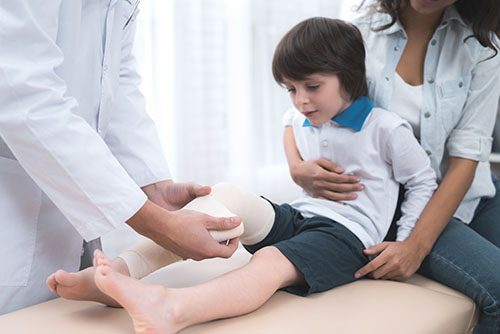
Understanding Typical Knee Injury Types in Children

Children are naturally energetic and love to engage in various physical activities like running, jumping, and playing sports. However, this high level of activity can make them more susceptible to knee injuries. As a Pediatric orthopedic surgeon and knee specialist, I frequently treat young patients who have sustained knee injuries. Knowing the types of common knee injuries can help parents recognize symptoms early and seek timely care. Below are five common types of knee injuries in children. 1. Knee Fracture: Direct impact from a fall or accident can result in a knee fracture, especially involving the patella (kneecap). These fractures in youngsters may be caused by contact during sports, falls from a bike, or accidents on the playground. Severe pain, bruising, swelling, and trouble moving the knee are some of the symptoms. Treatment options vary from casting to surgery, depending on the severity, but children usually recover well with the right care. 2. Ligament Injuries Sports like basketball and football sometimes include sudden movements, twists, or direction changes, all of which can result in ligament injury. The medial collateral ligament (MCL) and anterior cruciate ligament (ACL) are the ligaments that sustain injuries the most. Knee pain, swelling, instability, and occasionally a popping feeling are among the symptoms. While some mild ligament injuries may heal with rest and rehabilitation, severe ligament tears may require surgical repair. 3. Dislocation of the Knee When the knee\’s bones are pushed out of position, usually as a result of trauma or high-impact injuries, knee dislocation takes place. This is a dangerous injury that frequently harms the knee\’s ligaments, blood vessels, and nerves. Knee dislocations should be treated right away because waiting can result in long-term problems. A noticeable deformity, extreme pain, and a restriction in knee movement are among the symptoms. Treatment options include surgery, physical therapy, and bracing, depending on the severity of the damage. 4. Meniscus Tears The meniscus is a C-shaped piece of cartilage that acts as a cushion between the thigh and shin bones. In children, meniscus tears are commonly caused by Twisting or rotating actions, especially in sports. Signs include knee pain, swelling, and difficulty moving the knee, particularly when squatting or twisting. Medical treatment can cure some meniscus tears, but surgery may be necessary to repair bigger or more complicated injuries. 5.Tears in the Tendon Falls and rapid motions that put excessive strain on the knee can cause tendon rips, especially in the kneecap or quadriceps tendons. A youngster may suffer from extreme pain, swelling, and an inability to straighten their leg if these tendons are damaged, as they are essential for knee extension. Complete tendon tears typically require surgical repair, although lesser rips can frequently be treated with rest and physical therapy. Conclusion Children\’s knee injuries can range in severity, and full recovery depends on early diagnosis and appropriate treatment. My goal as a pediatric orthopedic surgeon is to make sure kids recover fully and may safely resume their normal activities. Strength training, safety clothing, and appropriate sports methods are essential for preventing injuries. Seeking prompt expert care for your child\’s knee injury can significantly enhance recovery results. For the best care Visit the Pune-based Dr. Sameer Desai Clinic. Making ensuring you\’re happy and receiving the best care possible is our main priority.

Understanding Typical Knee Injury Types in Children Read More »
Proximal Femoral Focal Deficiency treatment

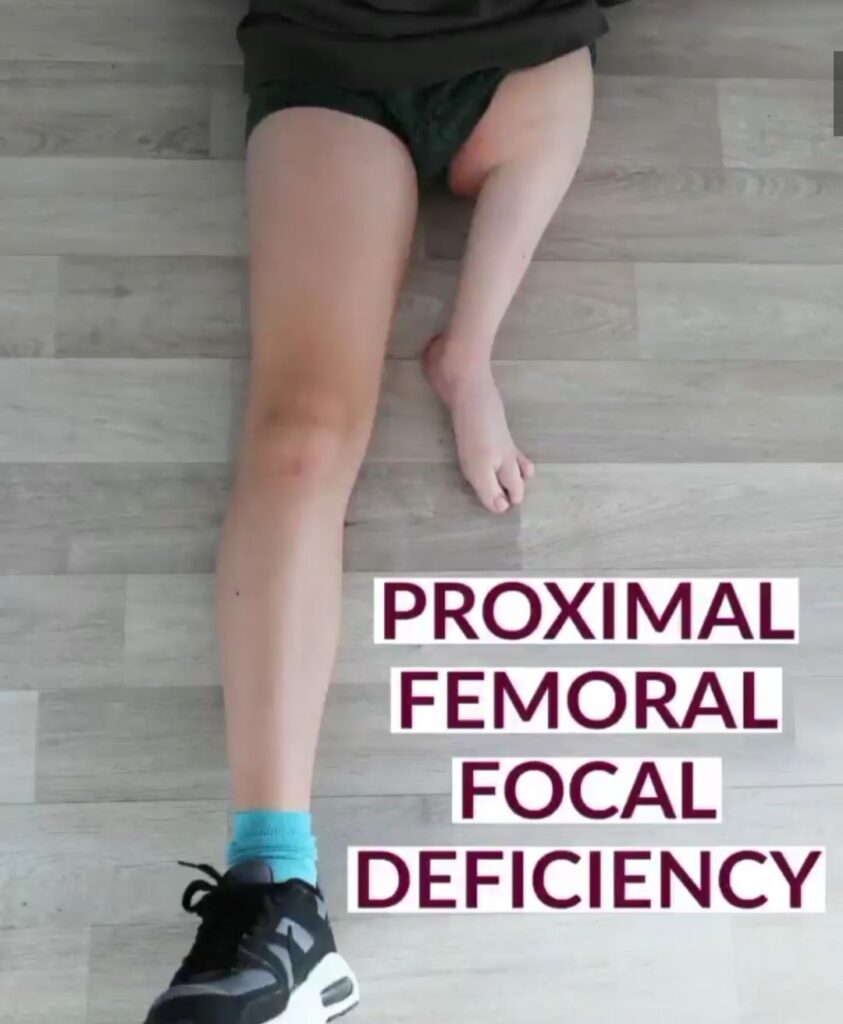
Understanding Proximal Femoral Focal Deficiency: Causes and Diagnosis

Proximal Femoral Focal Deficiency (PFFD) is a rare congenital condition affecting the femur, the bone in the thigh. Children with PFFD are born with an underdeveloped or deformed femur, which can vary in severity. This condition impacts a child\’s leg length, mobility, and overall development. In this blog, we’ll explore the causes and diagnosis of PFFD to help parents understand this complex condition better. Causes of PFFD The exact cause of PFFD remains unclear, but it’s believed to occur early in pregnancy, typically around the sixth week of fetal development. Various factors could contribute, such as: 1. Genetic Factors: Although PFFD is usually not inherited, in some cases, genetic mutations or disruptions during fetal growth may play a role. 2.Environmental Influences: Exposure to certain toxins, medications, or radiation during pregnancy may interfere with normal bone development in the fetus. 3.Vascular Issues: Reduced blood supply to the developing limb during pregnancy may hinder femur growth, leading to the characteristic deformities of PFFD. While the exact cause is unknown, understanding these possible contributing factors can provide insight into how the condition develops. Diagnosing PFFD Diagnosing PFFD involves a combination of clinical examination and imaging studies. Early detection is crucial for determining the best treatment path and improving long-term outcomes for the child. 1. Physical Examination At birth, doctors will often notice differences in the length and appearance of the legs. Children with PFFD may present with shorter legs, hip or knee deformities, and reduced range of motion in the affected limb. 2. X-Rays and Imaging X-rays are typically the first step in diagnosing PFFD, allowing doctors to assess the severity of the femur abnormality. In some cases, advanced imaging like MRI or CT scans may be needed to examine the hip joint and other related structures. 3. Classification of PFFD PFFD is categorized based on the severity of the femoral deficiency. These classifications help in determining the most appropriate treatment plan: Type A: Mild shortening with a nearly normal hip joint. Type B: Shortened femur with some hip joint deformities. Type C: Severe shortening with significant deformity of the hip and thigh. Type D: Complete absence of the femur. This classification aids in developing a personalized treatment plan tailored to the specific needs of the child. Why Early Diagnosis Matters: Early diagnosis of PFFD is crucial for effective management, enabling timely treatments like limb lengthening, corrective surgery, or prosthetics, which improve mobility, quality of life, and long-term outcomes. Conclusion Proximal Femoral Focal Deficiency is a complex condition, but with proper diagnosis and early treatment, children can lead fulfilling and active lives. Understanding the causes and diagnostic process is the first step toward addressing the condition effectively. Dr. Sameer Desai, a leading pediatric orthopedic surgeon in Pune, is dedicated to helping families navigate the journey of PFFD treatment, ensuring the best possible care for your child. If you suspect your child may have PFFD or want expert advice on pediatric orthopedic conditions, Dr. Desai is here to help.

Understanding Proximal Femoral Focal Deficiency: Causes and Diagnosis Read More »

Slipped Capital Femoral Epiphysis treatment

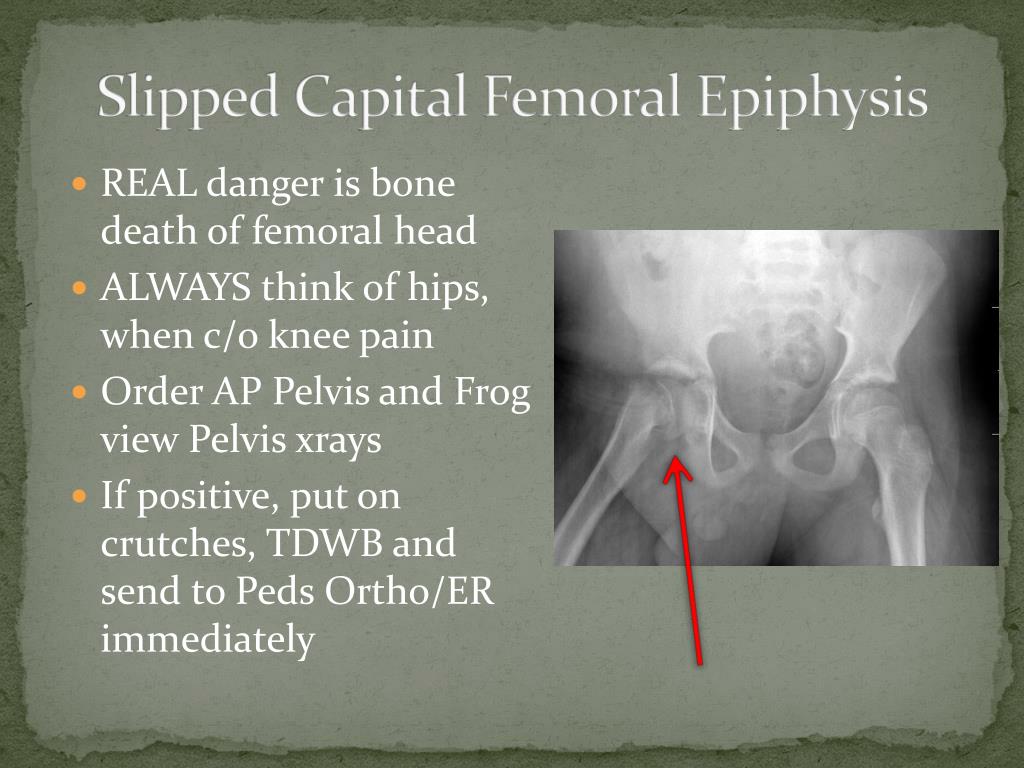
Understanding the Management of Slipped Capital Femoral Epiphysis (SCFE)

Slipped Capital Femoral Epiphysis (SCFE) is a condition that affects the hip in adolescents, often during periods of rapid growth. The femoral head (ball of the hip joint) slips off the neck of the femur, causing pain, stiffness, and difficulty in walking. Early diagnosis and treatment are crucial to prevent long-term hip damage. Symptoms of SCFE: Common signs of SCFE include: Pain in the hip, groin, thigh, or knee. A limp or difficulty walking. Stiffness or decreased range of motion in the hip. If your child exhibits any of these symptoms, it\’s essential to seek immediate medical attention. Causes of SCFE: SCFE typically occurs in growing children, particularly those with certain risk factors such as obesity, hormone imbalances, or a family history of hip problems. Treatment Options: Dr. Sameer Desai, a renowned pediatric orthopedic surgeon in Pune, specializes in diagnosing and treating SCFE. His approach emphasizes early detection and intervention to prevent complications like arthritis or long-term hip deformity. Surgical Stabilization: The most common treatment for SCFE is surgery. Dr. Desai uses minimally invasive techniques to stabilize the femoral head, ensuring it doesn’t slip further. Post-Surgical Rehabilitation: After surgery, Dr. Desai emphasizes the importance of rehabilitation, which includes physical therapy to restore strength and mobility. Why Choose Dr. Sameer Desai? Dr. Desai’s expertise in pediatric orthopedic care in Pune, coupled with his compassionate approach, ensures the best outcomes for children with SCFE. His practice in Pune is equipped with advanced facilities, ensuring timely diagnosis and effective treatment. Early treatment of SCFE is vital to ensure your child maintains a healthy, active lifestyle. Consult Dr. Sameer Desai for expert advice and personalized care in Pune. Conclusion: A swift action is necessary to prevent long-term problems from Slipped Capital Femoral Epiphysis (SCFE), a dangerous disorder. Children with SCFE undergo individualized therapies by Dr. Sameer Desai in Pune, under his skilled care, with an emphasis on hip stabilization and mobility restoration. Dr. Desai guarantees patients a safe recovery and a return to an active lifestyle with his specialist approach and dedication to pediatric orthopedic care. Dr. Desai is a reputable option for SCFE treatment in Pune since early diagnosis and timely treatment are essential to getting the best results.

Understanding the Management of Slipped Capital Femoral Epiphysis (SCFE) Read More »

Cubitus Varus treatment in Pune

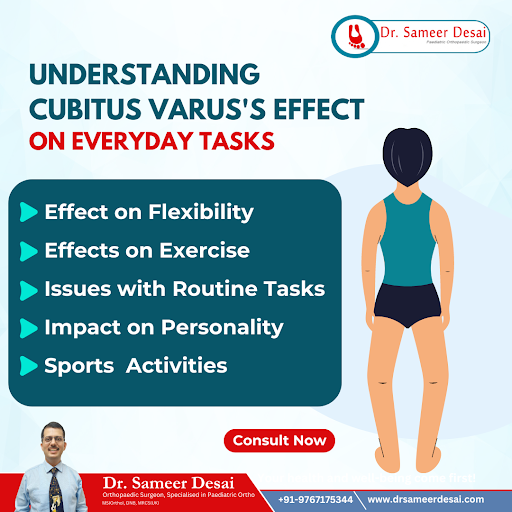
Understanding Cubitus Varus\’s Effect on Everyday Tasks

The ailment known as \”gunstock deformity,\” or cubitus varus, causes the elbow to slant inward, which throws off the alignment of the arms. It usually happens when an elbow fracture that was previously healed incorrectly occurs. This abnormality may affect daily activities and impede elbow movement. Adaptive methods, physical therapy, and even surgery are available as treatment options. Effect on Motion Range: Cubitus varus, or \”gunstock deformity,\” limits elbow joint motion, affecting the ability to fully extend or flex the arm, and impacts activities requiring a wide range of arm movements to your child. Impacts on Physical Exercise: Activities such as swimming and running are difficult for those with cubitus varus. Routine modifications are frequently required to control discomfort and prevent strain. Problems with Everyday Tasks: Cubitus varus makes it difficult to lift, reach, or brush your teeth. Which can cause discomfort and inefficiency. Psychological and Emotional Effects: Cubitus varus can cause frustration and self-consciousness, leading to emotional stress and reduced self-esteem. Addressing these concerns alongside physical treatment is important. Social and Recreational Activities: Participation in social and recreational activities might be affected, especially those kids or person who involving sports or interactive games Adaptation and Management: Managing cubitus varus involves physical therapy, adaptive techniques, and possibly surgery. Regular exercises and a personalized treatment plan with a healthcare provider can help to your child. Seeking Professional Guidance to your Child: Consulting with a specialist like Dr. Sameer Desai is crucial for managing cubitus varus. A professional assessment can provide accurate diagnosis and treatment options tailored to individual needs, helping to alleviate symptoms and improve quality life of your child . Conlusion: Dr. Sameer Desai provides the greatest therapy and care for cubitus varus, guaranteeing a comprehensive approach to treatment and maintenance, whether you\’re looking for the best care for your child or yourself. He assists people in resolving physical and mental issues so they can go about their daily lives more confidently and easily.  

Understanding Cubitus Varus\’s Effect on Everyday Tasks Read More »

Intoe gait Treatment in Pune

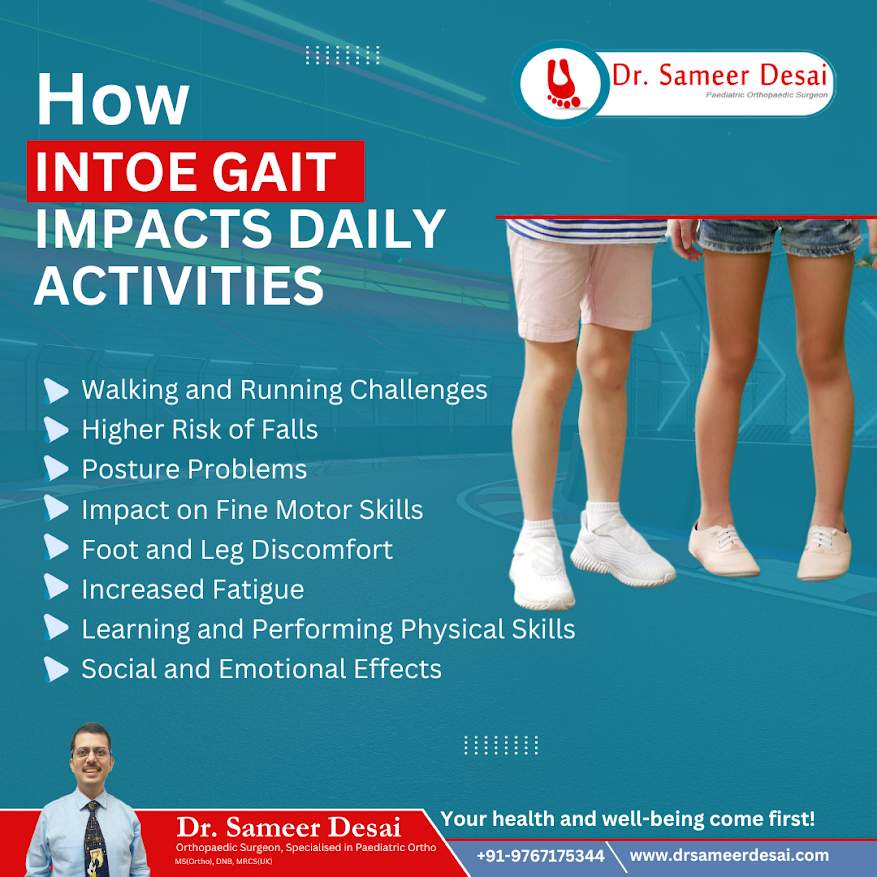
How Intoe Gait Impacts on Daily Activities

Intoe gait refers to a walking pattern where a person’s toes point inward as they walk. This condition is often seen in children and can be due to various causes such as muscle imbalances, structural abnormalities, or developmental issues. In some cases, it may resolve on its own, but persistent cases might require medical evaluation and treatment. there following activities are impacts on daily routines. Consequences for daily living: Problem face for Walking and Running: Intoe gait can make walking and running feel awkward and unstable, potentially limiting participation in physical activities and sports. Foot and Leg Discomfort: The abnormal foot positioning can cause pain and discomfort in the feet and legs, making routine activities like walking or standing uncomfortable. Posture Problems: Intoe gait may lead to poor posture and alignment issues, causing discomfort during daily tasks and affecting overall body alignment. Impact on Fine Motor Skills: Coordination issues from intoe gait can make tasks requiring precise movements, such as writing or using small objects, more difficult. Social and Emotional Effects: Children may feel self-conscious about their gait, which can affect their social interactions and confidence, making them hesitant to engage in group activities. Amplified fatigue: The additional effort required to manage an abnormal gait can lead to quicker fatigue, impacting daily stamina and energy levels. Higher Risk of Falls: The imbalance associated with intoe gait can increase the likelihood of falls and injuries, especially during activities that require stability. Gaining and demonstrating physical Abilities: Activities that need good coordination, such as sports or dance, may be more challenging, affecting a child’s ability to learn and enjoy these activities. Conclusion: Proper treatment and management of intoe gait can help improve these areas and enhance a child’s ability to engage in and enjoy everyday activities. Dr. Sameer Desai offers specialized treatment for intoe gait, focusing on tailored approaches to address the condition effectively. With his experience in pediatric orthopedic care, Dr. Desai ensures that each treatment plan is customized to the child\’s specific needs, aiming for optimal improvement and comfort.  

How Intoe Gait Impacts on Daily Activities Read More »

Knock knee treatment

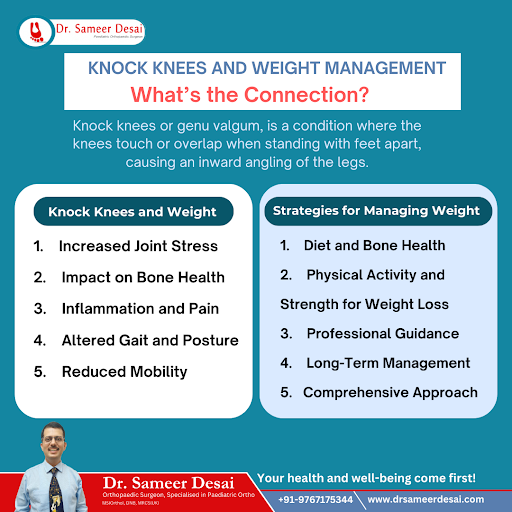
Knock Knees and Weight Management: What’s the Connection?

Knock Knees and Causes of Weight Gain: Increased Joint Stress: Excess weight puts additional stress on the knee joints, which can exacerbate the misalignment associated with knock knees. This increased load may worsen the condition or accelerate its progression. Impact on Bone Health: Higher body weight can affect bone health and joint structure. Excess weight can lead to increased wear and tear on the knee cartilage, potentially leading to joint pain and further misalignment. Inflammation and Pain: Obesity is often linked to higher levels of inflammation in the body, which can contribute to joint pain and discomfort. Managing weight can help reduce inflammation and alleviate symptoms associated with knock knees. Altered Gait and Posture: Extra weight can change a person’s gait and posture, which might affect knee alignment. Maintaining a healthy weight helps in promoting a more balanced and efficient gait, reducing undue stress on the knees. Reduced Mobility: Weight gain can affect overall mobility and physical fitness, making it harder to engage in regular physical activity. Strategies for Managing Weight: Physical Activity and Strength: Regular physical activity is essential for weight management and helps in strengthening the muscles around the knee. Stronger muscles provide better support and stability for the knee joint, which can aid in managing knock knees. Diet and Bone Health: A balanced diet that supports bone health can be beneficial. Nutrients such as calcium and vitamin D are crucial for maintaining strong bones and joints, which can support proper alignment and function. Professional Guidance: Consulting with healthcare professionals, including dietitians and physical therapists, can provide personalized strategies for weight management that support knee health. They can help design an appropriate exercise and nutrition plan. Long-Term Management: Integrating weight management into the overall treatment plan for knock knees can contribute to better long-term outcomes. Maintaining a healthy weight can help prevent further complications and support overall joint health. Comprehensive Approach: Addressing both weight management and knock knees simultaneously offers a holistic approach to treatment. This combined strategy can lead to improved alignment, reduced symptoms, and enhanced overall well-being.    Conclusion: By understanding and managing the connection between knock knees and weight, individuals can take proactive steps to improve their knee health and overall quality of life. Dr. Sameer Desai is a highly skilled knock knees specialist, providing expert care for correcting and managing this condition. Utilizing advanced diagnostic methods and personalized treatment plans, he focuses on improving knee alignment, function, and overall mobility to enhance patients\’ quality of life.

Knock Knees and Weight Management: What’s the Connection? Read More »

Stepping Right: The Importance of Proper Footwear for Flat Feet

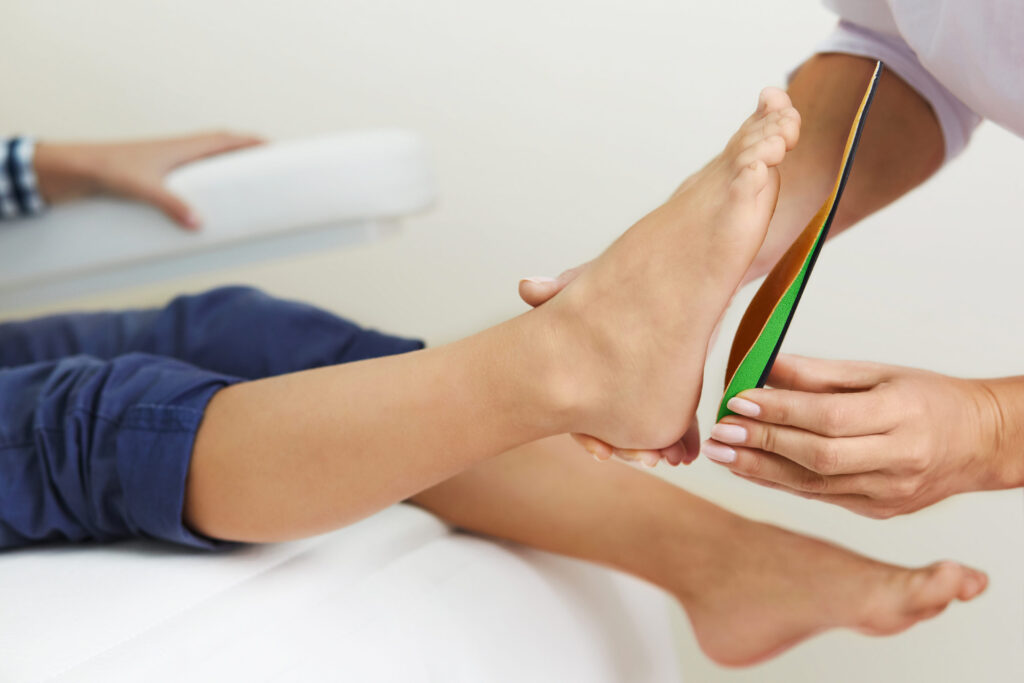
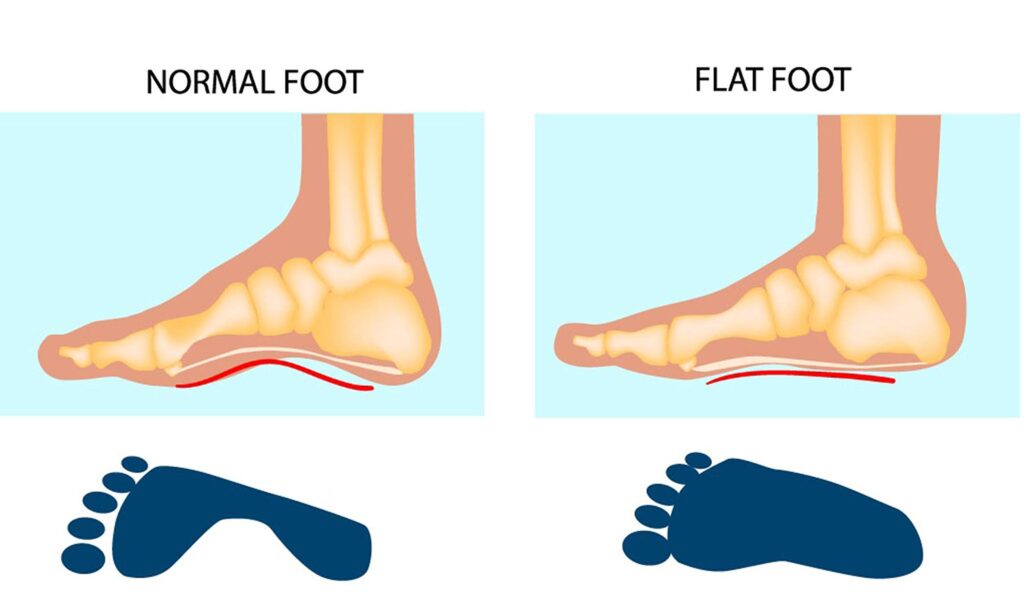
Living with flat feet, or fallen arches, can sometimes feel like walking on uneven ground. Discomfort and even pain can often be managed with the right approach, particularly when it comes to footwear. Choosing supportive shoes specifically designed for flat feet can significantly improve your foot health and overall well-being. Understanding Flat Feet: Flat feet simply occur when the arches of your feet collapse, causing the entire sole to make contact with the ground when standing. This can happen naturally or develop over time due to various factors. The Impact of Improper Footwear: Wearing shoes without proper support can worsen the discomfort associated with flat feet. Lack of support can strain the arches, leading to misalignment and potentially causing pain in the feet, ankles, knees, hips, and even lower back. Choosing the Right Shoes: Arch Support: Prioritize shoes with built-in arch support or consider adding orthotic insoles for additional lift and stability. Stability and Cushioning: Opt for shoes with cushioned soles to absorb shock and provide comfort during movement. Look for features like a firm heel counter to prevent excessive inward rolling (\”overpronation\”) of the feet, a common challenge for those with flat feet. Roomy Toe Box: Choose shoes with a wider toe box to accommodate any natural splaying of your toes. Avoid shoes that crowd your toes, leading to discomfort, especially when your arches flatten under pressure. Flexibility: Opt for shoes with flexible forefoot areas to allow for natural movement while walking or running. Stiff shoes can restrict movement and increase discomfort. Quality Materials: Invest in breathable and durable materials like leather or mesh to promote airflow and prevent moisture buildup, potentially leading to fungal infections and odors. Shoe Recommendations: Athletic Shoes: When engaging in physical activities, choose athletic shoes designed for your specific sport or activity. Many brands offer models with enhanced support and stability features tailored to various exercise needs. Casual and Dress Shoes: For everyday wear, opt for supportive sneakers, loafers, or sandals with arch support and cushioning. Avoid flat shoes like ballet flats or flip-flops, as they offer minimal support and can exacerbate flat feet symptoms. Conclusion: Investing in proper footwear plays a vital role in managing flat feet and promoting overall foot health. By choosing shoes with adequate support, stability, and cushioning, you can alleviate pain, reduce strain on your feet and lower body, and experience greater comfort and mobility in your daily activities. Remember, consulting a podiatrist or healthcare professional can provide personalized advice and recommendations based on your specific needs and foot conditions.

Stepping Right: The Importance of Proper Footwear for Flat Feet Read More »

Understanding Flat Feet: Your Guide to Foot Health

Understanding Flat Feet: Your Guide to Foot Health

Having flat feet, also known as fallen arches, affects the structure of your feet, causing the arches to flatten and touch the ground entirely when standing. While common and often benign, understanding the causes, symptoms, and diagnosis can help you manage potential discomfort and seek treatment when needed. What Triggers Flat Feet? Various factors contribute to flat feet, including: Genetics: Flat feet often run in families, suggesting a hereditary predisposition. Weak Arch Development: Some individuals have underdeveloped arches, leading to flat feet. Injury or Trauma: Foot or ankle injuries can sometimes flatten the arches. Muscle or Nerve Conditions: Conditions like cerebral palsy or muscular dystrophy can contribute. Aging: Weakening tendons and ligaments with age can cause arches to fall. Signs and Symptoms of Flat Feet: While some with flat feet experience no symptoms, others may encounter: Pain or discomfort in the feet, especially arches or heels Swelling along the inner ankle Difficulty standing for extended periods Foot fatigue or muscle cramping Misalignment of ankles or knees Diagnosing Flat Feet: Diagnosis typically involves a physical examination by a healthcare professional like a podiatrist or orthopedic specialist. They\’ll assess the foot structure, observe your gait, and inquire about symptoms. In some cases, imaging tests like X-rays may be used for a detailed view of the bones and soft tissues. These images can help determine the severity and identify any underlying conditions. Treatment Options: Treatment for flat feet depends on the severity of symptoms and the underlying cause. Often, conservative measures can help: Supportive Footwear: Shoes with adequate arch support and cushioning can reduce strain and promote better alignment. Orthotic Inserts: Custom-made or over-the-counter inserts can provide additional support and maintain the arches. Physical Therapy: Specific exercises and stretches can strengthen muscles and improve flexibility in the feet and ankles. Weight Management: Maintaining a healthy weight can reduce stress on the feet and lower extremities. Medication: Over-the-counter pain relievers may help alleviate discomfort. In rare cases where conservative measures fail or flat feet are caused by an underlying condition, surgery may be considered as a last resort. Conclusion: Flat feet are a common condition, but their severity and impact vary. By understanding the causes, recognizing symptoms, and seeking proper diagnosis and treatment, you can effectively manage them and maintain optimal foot health for years to come. Remember, if you have concerns about your feet or experience persistent pain, consult a healthcare professional for guidance and support. Your feet deserve the best care, so you can keep walking through life with comfort and confidence.

Understanding Flat Feet: Your Guide to Foot Health Read More »

Bow Legs in Children: Recognizing Early Signs and Seeking the Right Care

Recognizing Bow Legs in Children: Early Signs and Seeking the Right Care

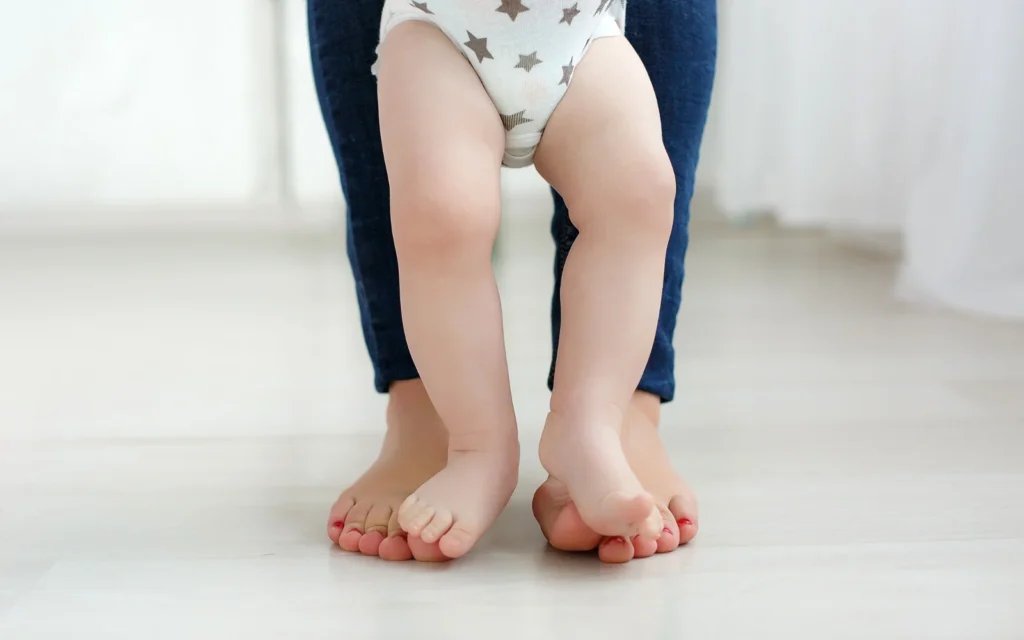
While it\’s common to see children with legs bowed outward like a bow (genu varum), understanding when it might be a concern and taking action early can significantly impact their health. What are Bow Legs? Bow legs occur when a child\’s legs curve outward at the knees with their ankles apart when standing with feet together. This is quite common in infants and toddlers as their bodies adjust to standing and walking. Early Signs to Watch For: Visual Observation: Look for a noticeable outward curve at the knees when your child stands. Walking Patterns: Pay attention to any difficulty walking straight or complaints of leg or knee pain. Uneven Shoe Wear: Check for uneven wear patterns on shoes, a potential sign of uneven pressure distribution due to bow legs. When to Seek Care: While often a natural part of development, certain situations warrant medical attention: Age: By age 3, most children outgrow bow legs. If it persists or worsens beyond this age, consult a healthcare professional. Pain or Discomfort: Persistent pain or discomfort in the legs or knees requires evaluation by a pediatrician or orthopedic specialist. Visible Deformity: Severe bowing or other visible deformities like asymmetrical growth or joint abnormalities necessitate medical attention. Seeking Proper Care: Consult a Pediatrician: Start with a consultation with your child\’s pediatrician to assess the severity and determine if further evaluation is needed. Orthopedic Evaluation: If necessary, a referral to an orthopedic specialist with experience in pediatric orthopedics may be recommended. They\’ll conduct a thorough examination, including X-rays, to assess the extent of bowing and determine the appropriate course of action. Treatment Options: Treatment depends on the severity. In mild cases, monitoring might be sufficient. For more pronounced or discomforting cases, options like bracing, physical therapy, or, rarely, surgery, may be considered. Conclusion: While bow legs are often normal, be vigilant and recognize when further evaluation and care are needed. By identifying early signs and seeking proper medical attention, you can ensure your child receives the necessary support for healthy leg development and overall well-being. Remember, early intervention can lead to better outcomes and a smoother journey towards straighter, healthier legs for your child.

Recognizing Bow Legs in Children: Early Signs and Seeking the Right Care Read More »

The Role of Exercise in Correcting Bow Legs: Effective Workouts and Techniques

Strengthening Your Stride: How Targeted Exercise Can Support Leg Alignment

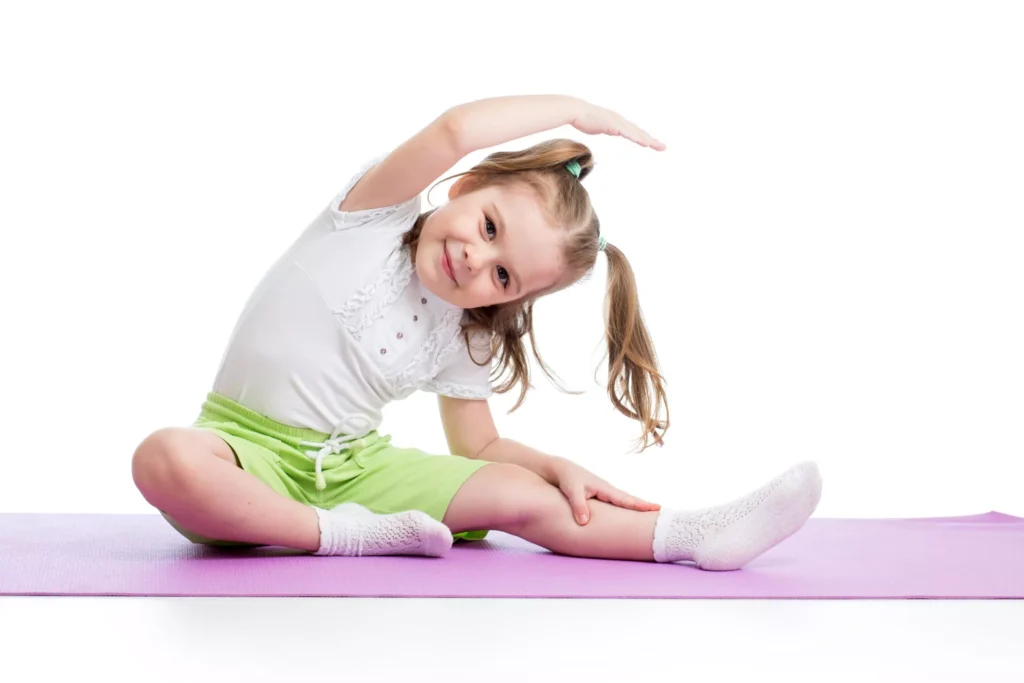
Navigating Bow Legs: For many, bow legs, where knees stand apart while ankles touch, can lead to discomfort and self-consciousness. While medical intervention might be necessary in some cases, incorporating targeted exercises can significantly impact leg alignment and mobility. Let\’s explore how specific movements can be used as tools for support. Understanding the Why: Before diving into exercises, understanding the root cause is crucial. Bow legs often arise from a combination of genetics, bone structure, and medical conditions like rickets or arthritis. Affecting individuals of all ages, the condition can lead to discomfort, instability, and even joint pain if left unaddressed. The Power of Movement: While exercise alone may not entirely correct severe cases, it can play a crucial role in strengthening muscles, improving flexibility, and promoting better alignment. By targeting specific muscle groups around the hips, thighs, and knees, you can create a foundation for improved leg positioning and address imbalances. Exercises for a Balanced Stride: Stretch it Out: Prioritize stretches targeting the inner and outer thigh muscles (adductors and abductors). Butterfly stretches, seated straddle stretches, and standing quad stretches can all enhance flexibility and reduce tension. Build Strength: Focus on strengthening muscles that support proper leg alignment. Squats, lunges, leg presses, and calf raises can fortify your quadriceps, hamstrings, calves, and glutes. Begin with bodyweight exercises and gradually increase resistance as you progress. Find Your Balance: Integrate balance exercises to engage your core and promote good posture. Try single-leg stands with proper alignment or yoga poses like tree pose or warrior III. Move with Low Impact: Engage in low-impact cardio like walking, swimming, or cycling to improve circulation, endurance, and overall cardiovascular health. These activities can also help maintain a healthy weight, crucial for reducing stress on your joints. Seek Guidance: Consider consulting a physical therapist or certified personal trainer for a personalized exercise program tailored to your needs. They can guide you on proper form, technique, and progression for safe and effective workouts. Consistency is Key: Dedication and consistency are crucial for reaping the benefits of exercise for leg alignment. Aim to incorporate various exercises into your routine and commit to regular practice. While results may not be immediate, staying motivated and patient can lead to significant improvements over time. A Final Note: Remember, exercise can be a valuable tool in managing bow legs but should be considered part of a comprehensive approach. Listen to your body, address any discomfort, and adjust your routine accordingly. Each journey towards better health and alignment is unique, so celebrate your progress and remain committed to your goals. With dedication and perseverance, you can strengthen your stride and move towards a more balanced and confident future.

Strengthening Your Stride: How Targeted Exercise Can Support Leg Alignment Read More »